Introduction: Why Ventilation Training Matters
In today's health care landscape, guaranteeing ideal client treatment is critical. One important component https://telegra.ph/Leading-5-Benefits-of-Joining-in-a-Comprehensive-Ventilation-Training-Program-06-10 of this treatment involves understanding and managing air flow. With breakthroughs in clinical modern technology and a boosting number of clients requiring breathing support, the demand for skilled professionals in this field has risen. That's where detailed ventilation training courses come into play. This short article explores the Top 5 Advantages of Register in a Comprehensive Ventilation Training Course, clarifying why such training is vital for health care specialists, especially those involved in respiratory tract administration and ventilation.
What is a Thorough Ventilation Training Course?
An extensive ventilation training course includes numerous aspects of respiratory system treatment, focusing on both theoretical expertise and functional abilities necessary for reliable ventilatory management. These programs typically cover subjects such as:
- Understanding ventilator settings Airway monitoring techniques Tracheostomy care Patient assessment in breathing distress Hands-on experience with various sorts of ventilators
Participants typically include nurses, breathing specialists, and other healthcare providers associated with vital care settings.
Top 5 Advantages of Register in a Comprehensive Ventilation Training Course
1. Improved Knowledge and Skills
Understanding the Basics
One of the key benefits of signing up in a detailed ventilation training course is acquiring foundational understanding regarding air flow concepts. For instance, participants acquire understandings right into what ventilator support requires, how ventilators operate, and the different settings offered-- such as assist-control and stress support.
Practical Application
Theoretical understanding must be paired with hands-on experience to be truly efficient. Training courses typically include simulations where trainees practice using different sorts of ventilators on mannequins or even actual patients under supervision. This double technique guarantees that individuals not just comprehend principles but can apply them effectively.
2. Boosted Individual Outcomes
Critical Treatment Competence
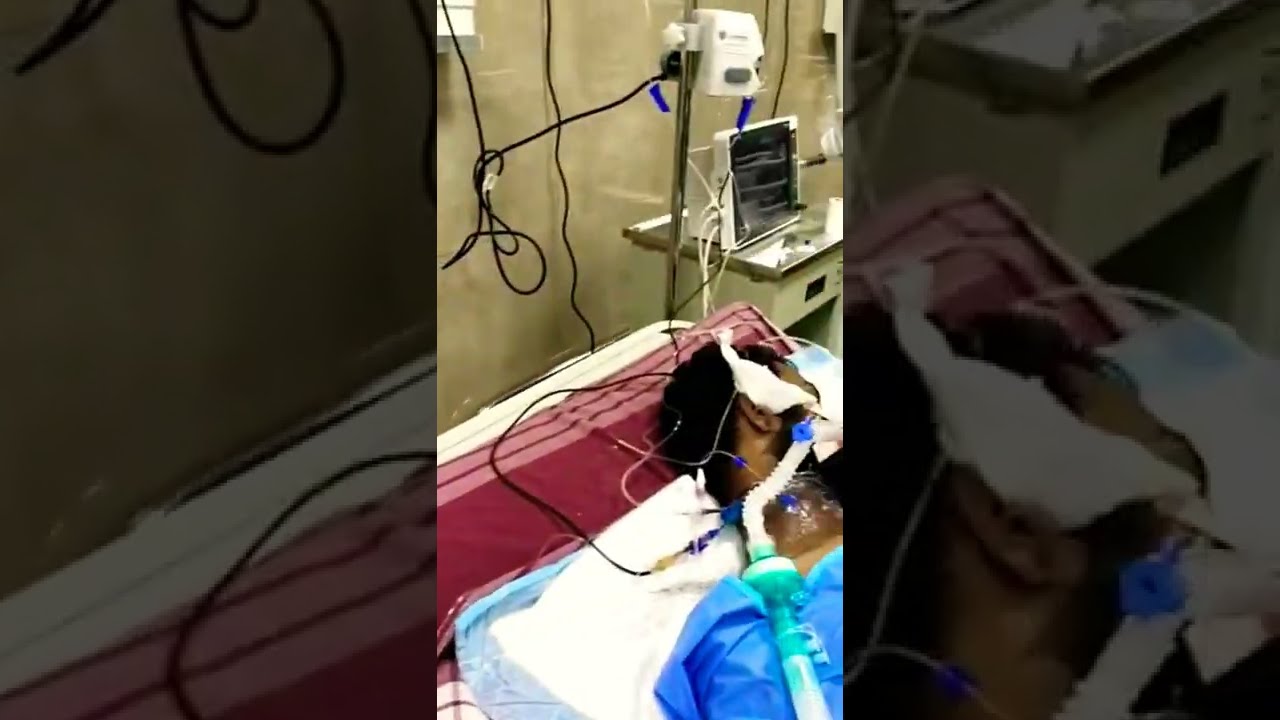
Professionals learnt air flow are better geared up to take care of intricate cases including respiratory system failure. With adequate skills from a basic ventilator course or specialized ventilator training for nurses, they can make educated decisions concerning individual care and change ventilator setups based on specific needs.
Impact on Recovery Rates
Research shows that correct airway administration and air flow strategies directly associate with enhanced patient healing rates. By understanding exactly how to ventilation courses optimize ventilatory assistance via efficient training, medical care employees can contribute significantly to reducing difficulties connected with mechanical ventilation.
3. Boosted Career Opportunities
Professional Advancement
Healthcare experts wanting to climb the occupation ladder will locate that specialized training enhances their skill set, making them a lot more affordable prospects for innovative duties within important care atmospheres. Several companies focus on candidates with official training in locations like tracheostomy and ventilator training.
Broader Scope of Practice
Incorporating ventilation training right into one's qualifications allows specialists to increase their extent of practice considerably. For example, nurses that go through thorough training courses may be eligible to take on duties that involve even more straight person communication in high-acuity situations.
4. Networking Opportunities
Connecting with Peers
Enrolling in a detailed program supplies the chance to get in touch with fellow medical care experts that share comparable passions in airway administration and ventilation techniques. Building these professional connections can result in joint possibilities or mentorships that boost one's profession trajectory.
Accessing Professional Insights
Courses are usually shown by sector experts that bring important insights from their experiences operating in essential care setups. Participants profit not just from structured learning but additionally from informal conversations that can brighten real-world challenges dealt with by caregivers.
5. Staying Upgraded with Best Practices
Continuing Education and learning Requirements
Many health care careers call for proceeding education and learning (CE) credit ratings to preserve licensure or accreditation. A detailed ventilation training course meets these needs while providing current information on present ideal methods concerning respiratory tract monitoring and air flow techniques.
Adapting to New Technologies
As innovation develops rapidly within the clinical field, continuous education and learning ends up being important for remaining appropriate. A versatile course includes details regarding the latest improvements in ventilatory technologies and methods-- ensuring that individuals stay at the forefront of person care standards.
FAQs Concerning Ventilation Training Courses
1. What requirements are required for participating in a comprehensive ventilation training course?
Most courses need participants to have standard expertise pertaining to breathing therapy or nursing basics; however, there are beginner-friendly options available as well.
2. How long do extensive ventilation training programs generally last?
Typically, these courses vary from someday to a number of weeks depending on the depth of material covered; some programs supply certifications after completion.
3. Exist any kind of online alternatives available for learning about ventilation?
Yes! Lots of organizations currently provide online components covering different facets of air passage monitoring and mechanical air flow which provide adaptability for active professionals.
4. Can I apply what I learn directly right into my workplace?
Absolutely! Participants are encouraged to apply brand-new techniques found out during their coursework directly right into practice settings which can boost overall client outcomes.
5. Exists financial support available for those wishing to enroll?
Many schools offer scholarships or financial aid bundles; furthermore examine if your employer gives tuition repayment programs as well!
6. What type of certification do I obtain upon completion?
Most respectable programs give a certification acknowledging your completion along with continuing education and learning credits that count towards keeping licenses or certifications!

Conclusion: Raise Your Abilities Via Comprehensive Training
In verdict, registering in a detailed ventilation training program supplies countless advantages-- from improving crucial abilities vital for effective patient monitoring to widening occupation chances within medical care setups. As air passages proceed playing an integral duty in client survival prices across multiple self-controls, investing time into getting know-how through structured discovering becomes undeniably helpful-- not simply directly yet likewise professionally!

By understanding what is at stake-- lives hanging by a thread due mostly due insufficient respiratory tract treatments-- it appears why venturing into specialized locations such as tracheostomy and ventilator training ought to rank high amongst top priorities for aspiring health practitioners today!
Ultimately welcoming ongoing education and learning leads not just in the direction of understanding intricate subjects like ventilatory support however likewise promotes greater confidence when dealing with real-life difficulties came across daily within dynamic settings like healthcare facilities!
So why wait? Dive carelessly into your next experience-- register today!